 Skip to content


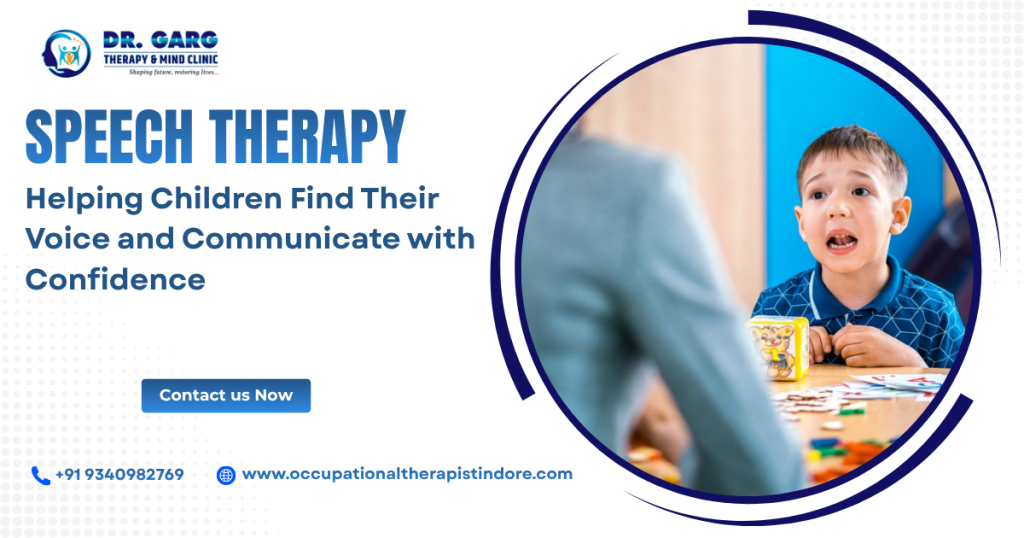
Every child develops communication skills at their own pace. Some children begin speaking early, while others may need additional support to express their thoughts, understand language, or pronounce words clearly. Speech therapy helps children develop these essential skills through structured activities, guided practice, and individualized support. With the right approach, children can gradually improve their communication and participate more confidently in everyday life.
What Is Speech Therapy?
Speech therapy is a specialized service that supports children and adults who experience difficulties with speech, language, communication, or certain feeding and swallowing skills. For children, therapy often focuses on helping them understand words, form sentences, improve pronunciation, and communicate their needs.
A speech therapist assesses the individual’s communication abilities and develops activities according to their age, strengths, and specific needs. These activities may include picture cards, storytelling, sound games, conversation practice, and interactive play.
The aim is not simply to help a child speak more words. It is also to help them communicate effectively, understand others, and build confidence when interacting with family members, teachers, and friends.
Signs Your Child May Need Speech Therapy
Children develop at different rates, so one concern does not automatically mean that a child requires therapy. However, it may be helpful to consult a qualified professional if you notice that your child:
- Has difficulty saying age-appropriate words or forming sentences.
- Frequently struggles to communicate basic needs.
- Has difficulty understanding simple instructions.
- Is difficult for familiar people to understand.
- Repeats sounds or words or experiences frequent speech interruptions.
- Shows limited progress in communication over time.
- Has difficulty participating in conversations or social interactions.
If you notice these signs, consider seeking a professional assessment rather than waiting indefinitely for the difficulties to resolve. Early evaluation can help identify the child’s needs and determine whether support would be beneficial.
How Does Speech Therapy Help Children?
Speech therapy uses age-appropriate methods to encourage communication and language development. The therapy plan depends on the child’s individual challenges and learning style.
1. Improving Pronunciation
Some children understand what they want to say but struggle to produce certain speech sounds. A therapist may use demonstrations, repetition, and playful exercises to help the child practise sounds and words.
2. Developing Language Skills
Language development involves understanding words, following instructions, learning new vocabulary, and combining words into meaningful sentences. Activities such as picture naming, storytelling, and everyday conversations can support these abilities.
3. Building Communication Confidence
Children may become frustrated when others cannot understand them. Speech therapy provides opportunities to practise communication in a supportive environment, helping children become more comfortable expressing their thoughts and needs.
4. Supporting Social Communication
Communication also includes taking turns, listening, responding to others, and understanding social situations. Therapists may use role-play, games, and guided interaction to help children practise these skills.
5. Involving Parents in the Process
Parents play an important role in reinforcing communication skills outside therapy sessions. Simple activities such as reading together, describing daily routines, asking open-ended questions, and allowing children time to respond can provide valuable practice.
Understanding the Connection Between Speech Therapy and Occupational Therapy
Some children experience communication difficulties alongside challenges with sensory processing, attention, coordination, or everyday activities. In such cases, a coordinated approach involving different professionals may be helpful.
Occupational therapy focuses on skills needed for daily activities, including dressing, feeding, handwriting, play, and participation in school routines. Depending on the child’s assessment, occupational therapy may also address sensory processing and regulation.
Sensory integration therapy uses individualized activities designed to help children respond to sensory information, such as sounds, movement, touch, and body awareness. It may be considered when sensory processing difficulties affect participation in everyday activities.
Families searching for Occupational therapy Indore or Sensory Integration Therapy Indore should look for qualified professionals who assess the child’s needs before recommending a treatment plan.
Speech therapy, occupational therapy, and sensory-based interventions have different goals. They may complement one another when appropriate, but one does not automatically replace the other.
Choosing the Right Speech Therapy Support in Indore
Finding suitable professional support is an important step in helping a child develop communication skills. Parents looking for Speech therapy Indore can consider the following factors before selecting a service:
- Professional qualifications: Check the therapist’s relevant training and experience.
- Individual assessment: Therapy should be based on the child’s specific communication needs.
- Child-friendly activities: Engaging, age-appropriate sessions can encourage participation.
- Parent guidance: Families should receive practical suggestions for supporting learning at home.
- Progress monitoring: Goals should be reviewed regularly, with adjustments made when needed.
- Collaborative care: When a child has multiple developmental needs, communication between relevant professionals may support a more coordinated approach.
A suitable therapy plan should focus on meaningful, realistic goals rather than promising immediate results.
How Parents Can Support Speech Development at Home
Everyday interactions provide children with opportunities to practise communication. Parents can encourage progress by incorporating simple activities into their daily routines.
Read picture books together and talk about the characters. Name familiar objects while cooking, shopping, or playing. Give your child enough time to respond instead of completing every sentence for them. Repeat and expand on the child’s words naturally—for example, if the child says “red ball,” you might respond, “Yes, that is a big red ball.”
Keep conversations enjoyable and avoid pressuring children to repeat words constantly. Celebrate their efforts to communicate, whether they use spoken words, gestures, pictures, or other appropriate communication methods.
If you remain concerned about your child’s development, home activities should complement—not replace—a professional assessment.
Conclusion
Speech therapy can help children strengthen their communication abilities, express their needs, and participate more confidently in daily activities. Each child’s progress and requirements are different, which makes individualized assessment and consistent support important.
For families exploring Speech therapy Indore, understanding the available services and choosing qualified professionals can be a useful first step. Where appropriate, occupational therapy and sensory integration interventions may also contribute to a broader support plan. With professional guidance, family involvement, and realistic goals, children can receive support tailored to their communication and developmental needs.
